Monday 01 Jun 2026
The ideal environmental temperature for a cow is around -5°C to +15°C, although this will vary with liveweight, breed, feeding level and production level. As temperatures rise, cows try to lose heat by sweating, but they only sweat at around 10% of the rate of a human, making them far more vulnerable to heat stress.
Heat stress can reduce milk yield, milk quality, fertility and immune function. Dairy cows are homeothermic animals and need to maintain a body temperature of about 38.6°C, plus or minus 0.5°C, for efficient metabolism. Heat is produced through normal rumen digestion and metabolism, and this heat must be lost to the environment. When conditions are warm, heat is lost more slowly, body temperature rises and heat stress develops.
Cows respond by reducing feed intake, typically by 10 to 15%, although reductions of up to 30% can occur. Rumination time falls, and cows may become selective, favouring concentrates over forage because forage digestion creates more heat in the rumen. Respiration rate increases, often above 80 breaths per minute, along with standing time, water intake, salivation, drooling and panting. The rumen then becomes less stable, with lower rumen pH, reduced volatile fatty acid and microbial protein production, and poorer nutrient digestibility. Maintenance requirements also rise as the cow works harder to lose heat.
Look out for cows standing for longer, lying less, panting, becoming lethargic or standing with heads lowered. They may also bunch together in tight groups, which can look surprising but is commonly seen during heat stress.
High yielding cows are especially sensitive because milk production generates metabolic heat. A cow producing 18 litres per day generates around 28% more body heat than a dry cow, while a cow producing 31 litres per day generates around 48% more. NADIS suggests each cow produces a similar heat output to a 1.4kW electric heater. Short bursts of heat, with little time to adapt, are particularly challenging, especially where cows cannot cool down overnight.
Dry and transition cows should not be overlooked. Heat stress during the dry period can impair mammary development and alter metabolism, reducing subsequent milk yield. Trouw Nutrition reports that heat- stressed dry cows may produce calves with lower birth and weaning weights. There is also evidence that late gestation heat stress may affect the cow, her calf and potentially the next generation.
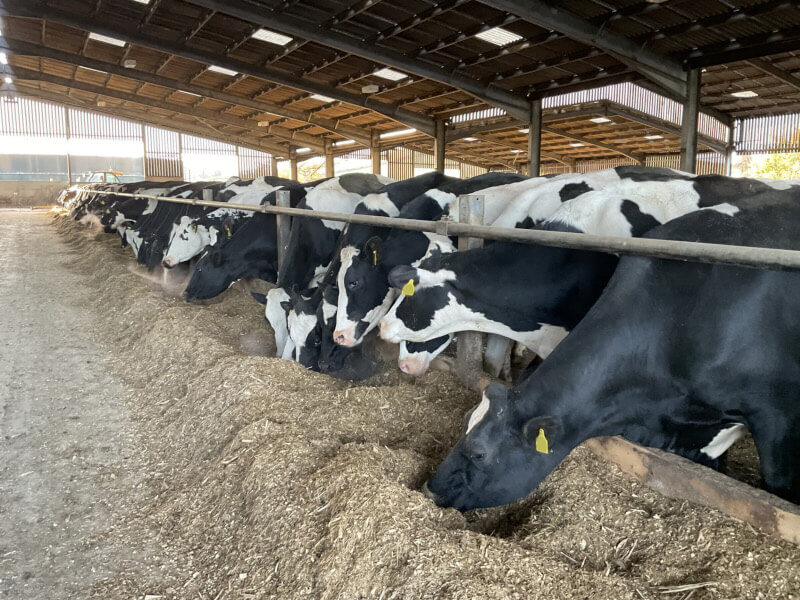
Practical measures include providing cool, clean, fresh water at all times, as water intake can rise by 20 to 200% during heat stress. Ensure water is available near the parlour, collecting area and feed fence, or within 250m at grazing, with enough flow for peak demand. Offer shade, cooler fields or housing where possible, avoid moving cows during the hottest part of the day, and reduce time spent in collecting yards.
Feed highly digestible forages, keep feed fresh, push up regularly and consider feeding twice daily where appropriate. Live yeast, rumen buffers, niacin and fat-soluble vitamins may help, but should be introduced well before and after the heat stress period. Also check buildings, as south facing roof lights can add considerable heat.