Saturday 01 Aug 2026
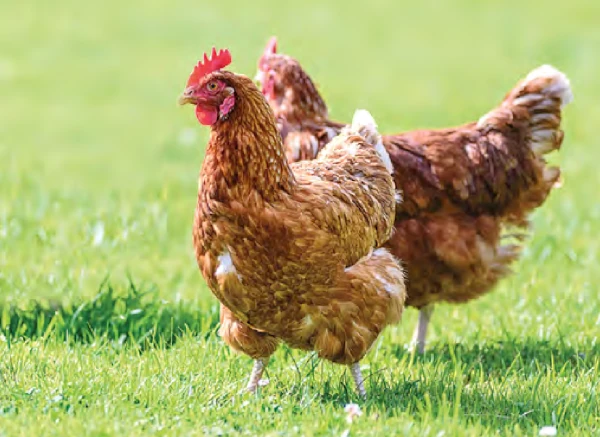
Instead, they rely on panting and increasing blood flow to areas such as the comb and wattles to release excess heat. When temperatures rise above around 25°C, especially in humid conditions, hens begin to struggle to regulate their body temperature. Experiencing heat stress for extended periods of time can reduce productivity, compromise bird welfare, and negatively impact egg quality, making it an important issue for all egg producers.
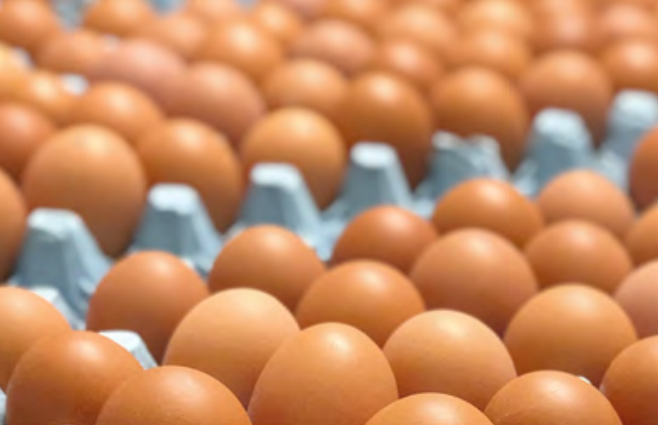
One of the earliest effects of heat stress is a reduction in feed intake. Hens naturally eat less during hot weather because digestion produces body heat, therefore reducing feed consumption helps them stay cooler. However, this also means they consume fewer calories, protein, and essential nutrients needed for egg production. As a result, egg weight declines, producing smaller eggs with reduced yolk and albumen content. During extended periods of high temperatures, producers often notice a shift towards smaller egg sizes, which can reduce profitability where eggs are marketed by weight.
Heat stress also has a major impact on eggshell strength and overall shell quality. Strong eggshells are formed mainly from calcium carbonate, which requires both an adequate supply of calcium and sufficient bicarbonate ions in the hen’s blood. When birds pant to cool themselves, they lose excessive amounts of carbon dioxide. This disrupts the balance of bicarbonate ions available for shell formation, reducing the amount of calcium carbonate that can be deposited around the egg. At the same time, reduced feed intake means hens consume less calcium, further limiting shell development. The result is thinner, weaker shells that are more susceptible to cracks, breakage, and damage during collection and transport. Heat stress may also increase the number of soft- shelled or misshapen eggs, reducing the proportion of marketable eggs and increasing economic losses.
Fortunately, several management practices can help reduce the effects of heat stress. Providing continuous access to cool, clean drinking water is essential, as water intake increases significantly during hot weather. Good ventilation and increased airflow, through the use of fans or evaporative cooling systems where appropriate, help birds lose excess heat more effectively. Feeding during the cooler parts of the day can encourage feed intake, while also ensuring diets contain adequate calcium, vitamin D₃, and other essential nutrients that will support eggshell formation. Reducing stocking density where possible, providing shade, and minimising handling or other unnecessary stress during periods of high temperatures can also improve bird comfort.
Although heat stress cannot always be avoided, proactive management can significantly reduce its impact. By maintaining bird comfort and supporting nutrient intake during hot weather, producers can help preserve egg size, improve shell strength and quality, and protect both flock welfare and farm profitability throughout the summer months.