Thursday 01 Oct 2026
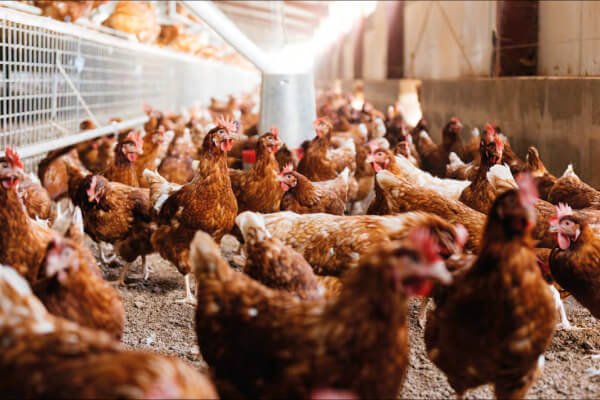
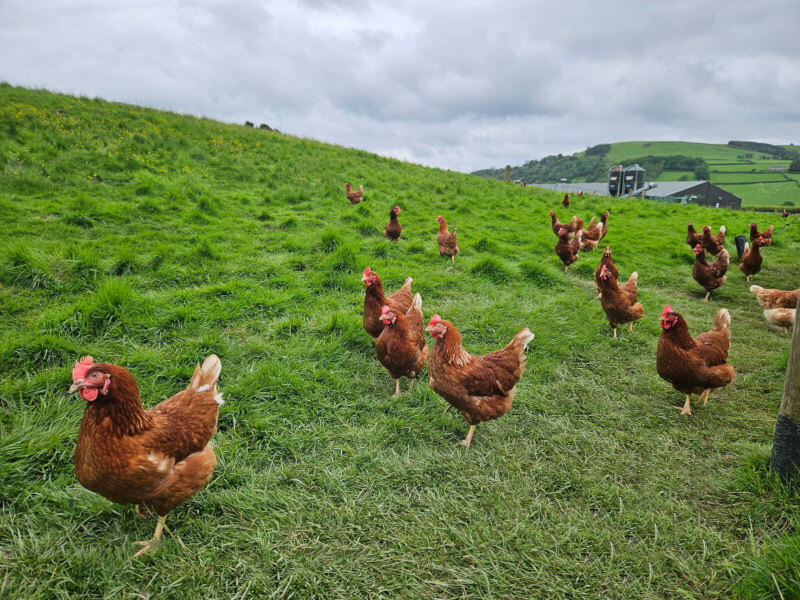
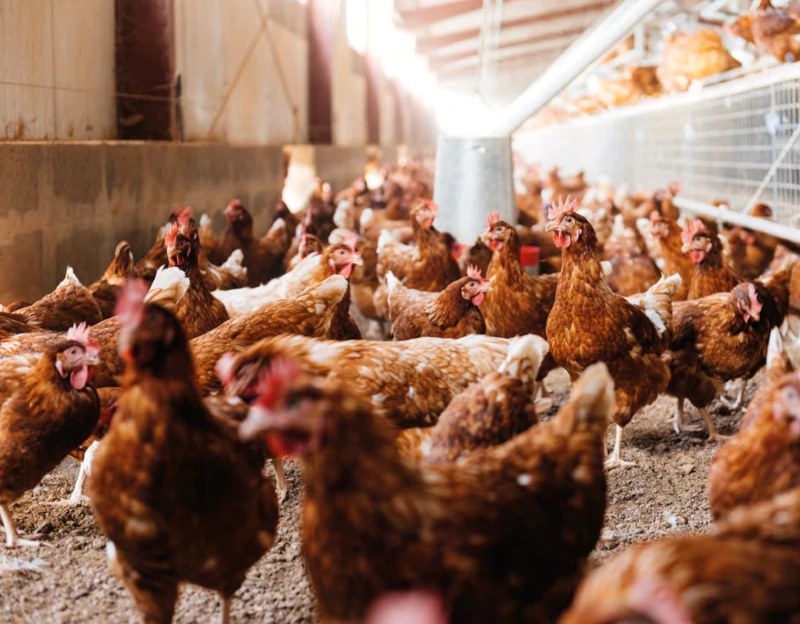
Chickens, like many animals, rely on a natural circadian rhythm: an internal clock that governs when they sleep and wake. Under natural conditions, chickens would sync their patterns with the rising and setting of the sun. But in modern poultry houses, especially where artificial lighting is used to maximise egg production, sleep can easily be disrupted if we don’t manage their environment carefully.
So, why does sleep matter? Firstly, sleep plays a critical role in a hen’s immune system. Chickens that don’t get enough sleep are more susceptible to stress and disease. Rest is when their bodies repair, recover, and maintain strong immunity. Lack of sleep can weaken their defences, potentially leading to outbreaks of illness that could otherwise be prevented. Sleep also affects a hen’s behaviour. Well-rested hens are calmer and less prone to pecking or aggression. If hens get restless due to insufficient sleep, it can lead to problems like feather pecking, bullying, and even injuries. Chickens that sleep well are more likely to form stable, peaceful flock dynamics, reducing stress across the group.
One often-ignored benefit of sleep is its role in overall growth and maintenance. Even though adult laying hens are fully grown, their muscles, bones, and systems still undergo constant repair. Sleep is when a chicken’s body regulates hormones, repairs tissues, and stores energy for the next day’s activities. Without adequate sleep, hens might struggle with long-term health, potentially shortening their productive lifespan.
Beyond flock health and behaviour, sleep directly impacts egg production. Hens need rest to maintain consistent lay rates. The reproductive system is closely linked to a hen’s overall well-being. Without proper sleep, hens may lay fewer eggs or experience irregular laying patterns. Over time, disrupted sleep can lead to decreased egg quality, resulting in thinner shells, smaller eggs, or fewer altogether.
To ensure hens get their full sleep, lighting programmes must be carefully managed. Commercial flocks often operate with precise light schedules. Typically, producers simulate sunrise and sunset, ensuring darkness for at least eight hours. Chickens need complete darkness, not just dim lighting. True darkness encourages the brain to release melatonin, the hormone that signals it’s time to rest. Noise and disturbances should also be minimised during their sleep hours. A calm, quiet environment helps hens fully settle down. When hens feel safe and undisturbed, they sleep deeper, reaping all the benefits that restorative rest provides.
Ultimately, prioritising sleep is a win-win. For producers, well-rested hens translate into consistent, high-quality egg production. For the hens themselves, sleep is a cornerstone of a healthy, low-stress life. By ensuring chickens get their full eight hours of sleep each night, we are doing more than simply respecting a natural need; we are actively fostering optimal health, productivity, and welfare. It’s a simple, natural solution to help keep each hen at her best. In the end, good sleep truly makes for good eggs and for happy, healthy hens.